

In commercial and mid-scale cannabis farming, climate control systems are no longer just operational tools—they're proper investments. When developed and maintained properly, these systems straight impact return on investment (ROI) by improving generate uniformity, lowering deficits, and lowering energy costs. Below is just a data-driven, FAQ-style dysfunction describing how climate control grow room programs contribute to tougher economic performance.
Why Do Climate Control Methods Matter for Cannabis Profitability?
Cannabis plants are very sensitive and painful to environmental fluctuations. Study across controlled-environment agriculture shows that also minor variations in temperature or moisture can minimize yield potential by 5–15%. Climate control programs secure rising situations, ensuring flowers remain within maximum ranges for the duration of all growth stages. That consistency translates into predictable crop rounds, better planning, and higher revenue reliability.
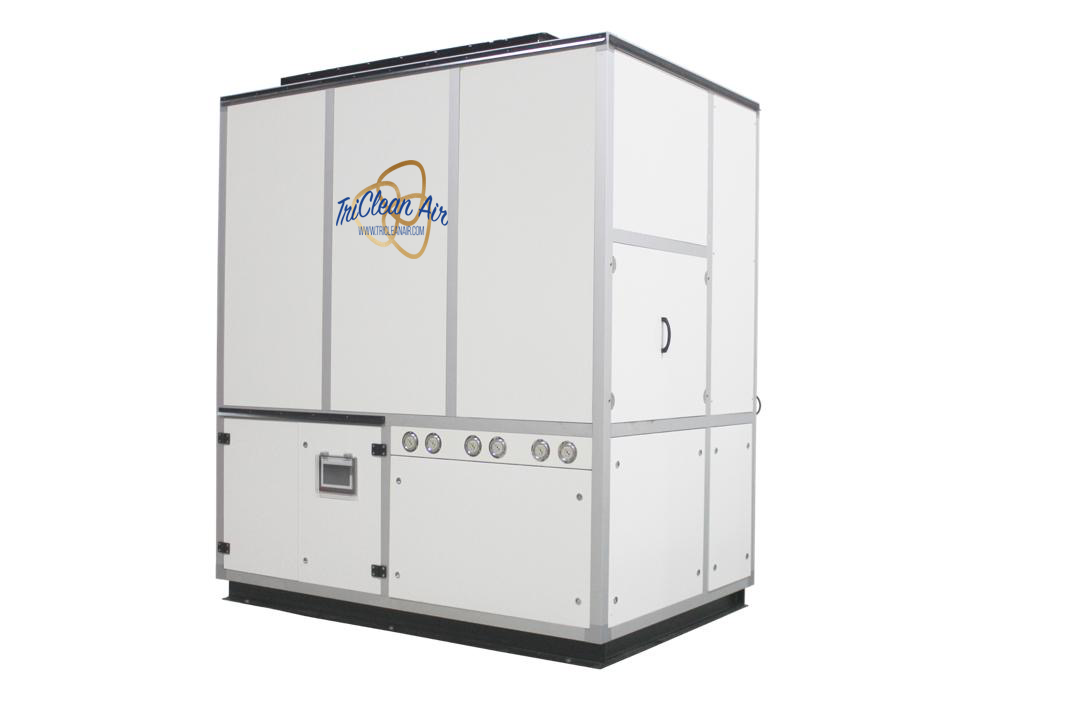
How Does Heat Management Improve ROI?
Heat straight influences photosynthesis, vitamin uptake, and rose development. Studies indicate that sustaining optimal cover temperatures may improve biomass manufacturing by around 20% compared to unmanaged environments. Modern climate control systems automate heating and chilling based on real-time knowledge, lowering human error and reducing stress-related seed losses. As time passes, fewer plant failures and increased result significantly enhance revenue margins.
What Role Does Humidity Control Play in Cost Reduction?
Humidity mismanagement is one of many major reasons for mold, form, and pathogen outbreaks. Industry data shows that crop deficits from fungal dilemmas can account for 10–30% of annual generation in badly managed facilities. Sophisticated dehumidification methods keep healthy vapor stress deficit (VPD), lowering infection risk while optimizing transpiration. Reduced plant spend and less remediation charges immediately help larger ROI.
Can CO₂ Control Actually Raise Financial Returns?
Yes. Controlled CO₂ enrichment has been shown to improve cannabis yields by 15–30% when coupled with correct illumination and nutrition. Climate control techniques control CO₂ degrees to avoid waste and guarantee flowers absorb it efficiently. That targeted method prevents needless fuel usage while maximizing photosynthetic effectiveness, causing higher production without proportional increases in running expenses.
How Do Energy-Efficient Systems Impact Long-Term ROI?
Energy prices frequently represent among the biggest working expenses in interior and greenhouse grows. Modern climate control methods use clever detectors, variable-speed equipment, and automation to lessen power usage by as much as 25% compared to conventional setups. Decrease power expenses increase income movement, while successful techniques also extend gear lifespan, lowering substitute and maintenance costs.
Are Automated Climate Control Programs Price the Investment?
Automation increases work efficiency and decision-making accuracy. Features using incorporated climate control tools report around 40% fewer handbook modifications and paid down downtime. By reducing job dependency and ensuring 24/7 environmental accuracy, computerized systems support growers scale operations without proportional raises in staffing or overhead.
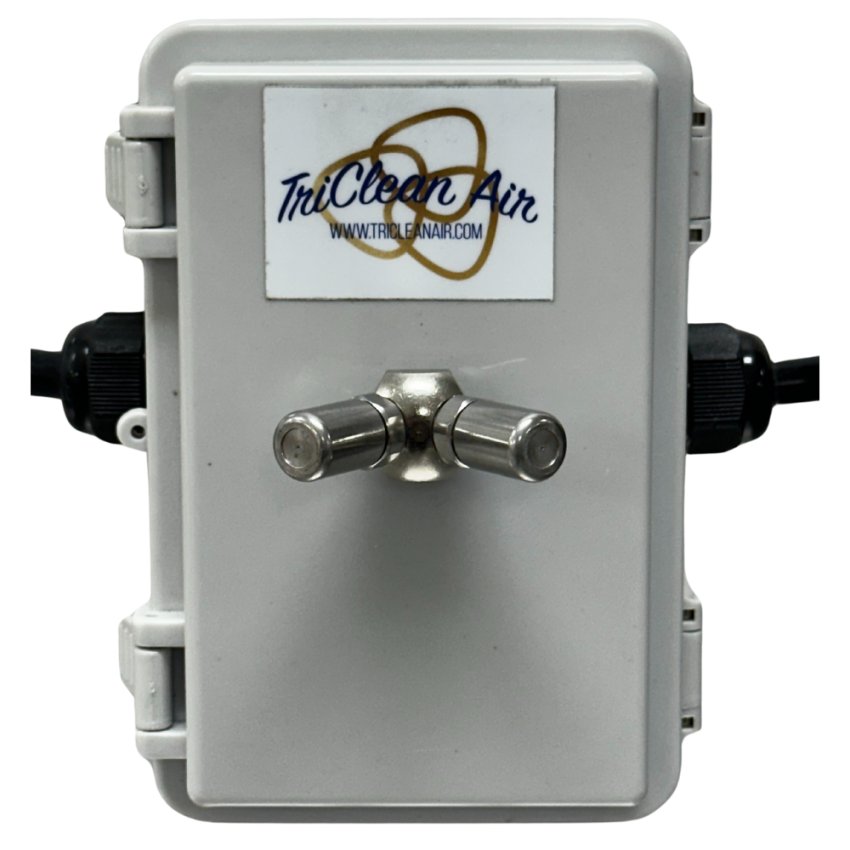
How Do Climate Control Methods Help Organization Scalability?
Scalability depends upon repeatable success. Climate control systems create standardized growing problems across rooms or facilities, allowing consistent quality at bigger volumes. This uniformity supports brand reliability, wholesale agreements, and long-term growth strategies—all necessary the different parts of sustainable ROI.
The Base Line
Cannabis climate control techniques aren't nearly place health—they're about financial performance. By improving generate efficiency, lowering failures, decreasing energy use, and encouraging scalable operations, these programs provide measurable ROI benefits. For growers centered on long-term profitability, climate control is not an expense—it is just a revenue optimization strategy.